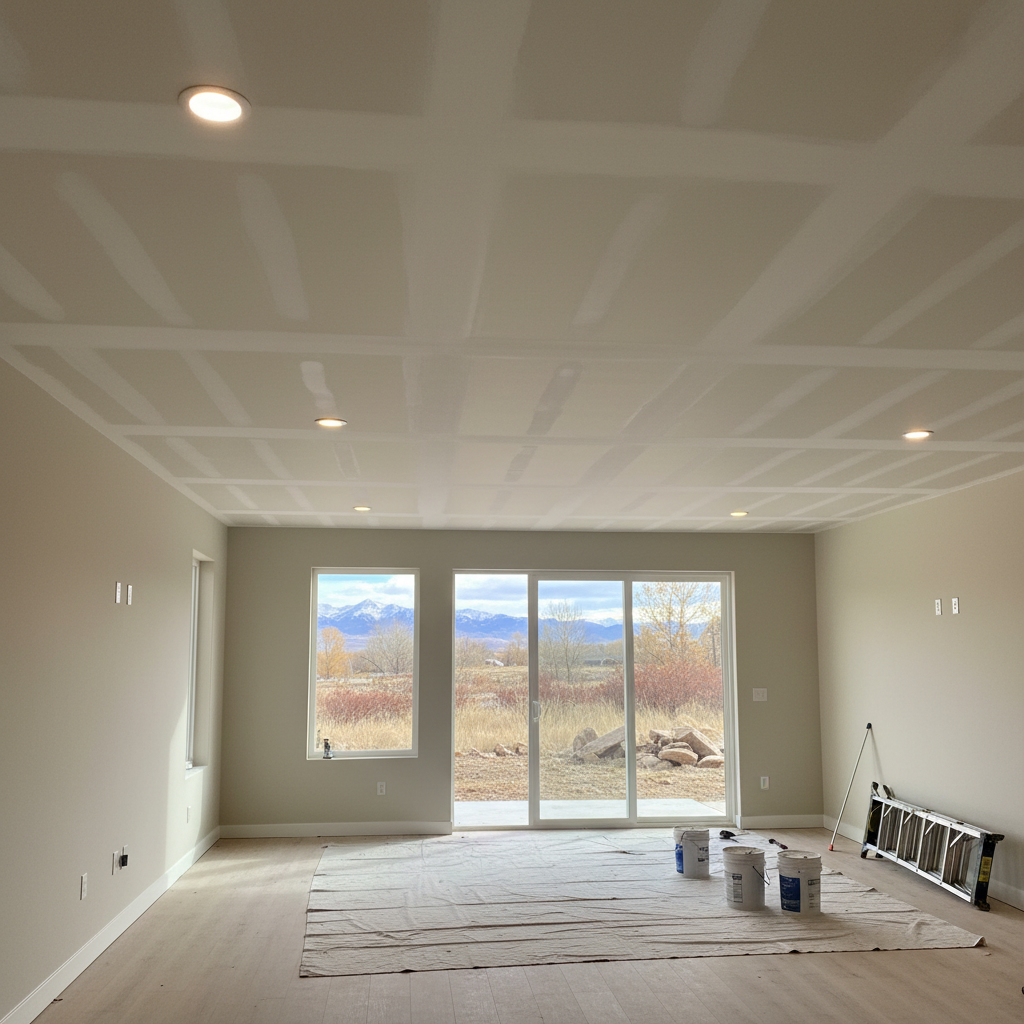
Putting up new ceiling drywall isn't just about hanging boards; it's about doing it right so the whole thing lasts. And here in Lehi, "doing it right" means really paying attention to our unique climate. I've been doing this for a long time — 25 years, actually — and I can tell you, the weather outside absolutely impacts the drywall inside.
When's the Best Time for Ceiling Drywall Installation?
Honestly, there's no single "perfect" season for every single project, but some times are definitely better than others, especially for ceilings. You're fighting gravity, moisture, and temperature swings, all of which can mess with how well the drywall sets, tapes, and finishes.
I generally tell folks that late spring, early summer, and fall are your sweet spots. Why? Because the humidity levels are usually more stable then. Our summers can get hot and dry, sure, but they're not usually as extreme as some places. And our winters? They're cold, and that brings its own set of challenges, especially with heating systems running full blast.
If you're building new construction, you've got more control over the environment. But for renovations, you're working inside an existing home, and that means managing the climate as best you can. You want to avoid big swings in temperature and humidity during the installation and drying phases. That's when you get cracks, tape lifting, or those annoying nail pops. Nobody wants that.
How Lehi's Weather Impacts Your Ceilings
Our specific climate here in Lehi, especially with the temperature swings from day to night and seasonal humidity changes, really puts stress on building materials. For ceiling drywall, here's what I'm always watching:
- Humidity: Too much moisture in the air, and your joint compound just won't dry properly. It can take forever, and sometimes it won't cure as hard as it should, making it prone to cracking later. Too little, and it can dry too fast, also leading to cracks. We often see this in older homes in the Traverse Mountain area where HVAC systems might be working overtime, drying out the air excessively.
- Temperature: Cold slows everything down. Joint compound just doesn't cure effectively when it's too chilly. On the flip side, extreme heat can dry the surface too quickly, leaving the inside still wet and weak. We aim for that Goldilocks zone – not too hot, not too cold.
- Wind/Drafts: Even indoors, drafts can cause uneven drying. If you've got windows open or an HVAC system blowing directly on a fresh ceiling, it can cause problems.
That's why when my crew at Allied Drywall Inc. is on a job, we're not just thinking about putting up sheets; we're thinking about the whole environment. We'll talk to you about keeping your home at a consistent temperature and humidity level during the project. Sometimes that means running a dehumidifier or even a small heater to get things just right.
Protecting Your Ceiling Drywall Investment Year-Round
Once your ceiling drywall is up and finished, you want it to stay looking great. Here's what you can do:
- Maintain Consistent Indoor Climate: This is probably the biggest one. Try to keep your home's temperature and humidity as stable as possible throughout the year. Don't let your house get super cold in winter or extremely hot in summer if you can help it. Those big fluctuations cause materials to expand and contract, which can lead to cracks over time.
- Address Leaks Immediately: This seems obvious, but I've seen it too many times. A small roof leak or a plumbing issue upstairs can ruin a perfectly good ceiling in no time. If you see a water stain, don't wait. Find the source and fix it.
- Proper Ventilation: Especially in bathrooms or kitchens, make sure you're using exhaust fans. Excess moisture from showers and cooking can get absorbed by drywall, leading to sagging or mold issues.
- Regular Inspections: Just a quick look every now and then can catch small issues before they become big ones. Look for hairline cracks, discoloration, or any signs of moisture.
Ultimately, a well-installed ceiling should last you decades. By understanding how our Lehi climate affects drywall and taking a few preventative steps, you'll protect that investment and keep your ceilings looking smooth and beautiful for years to come.