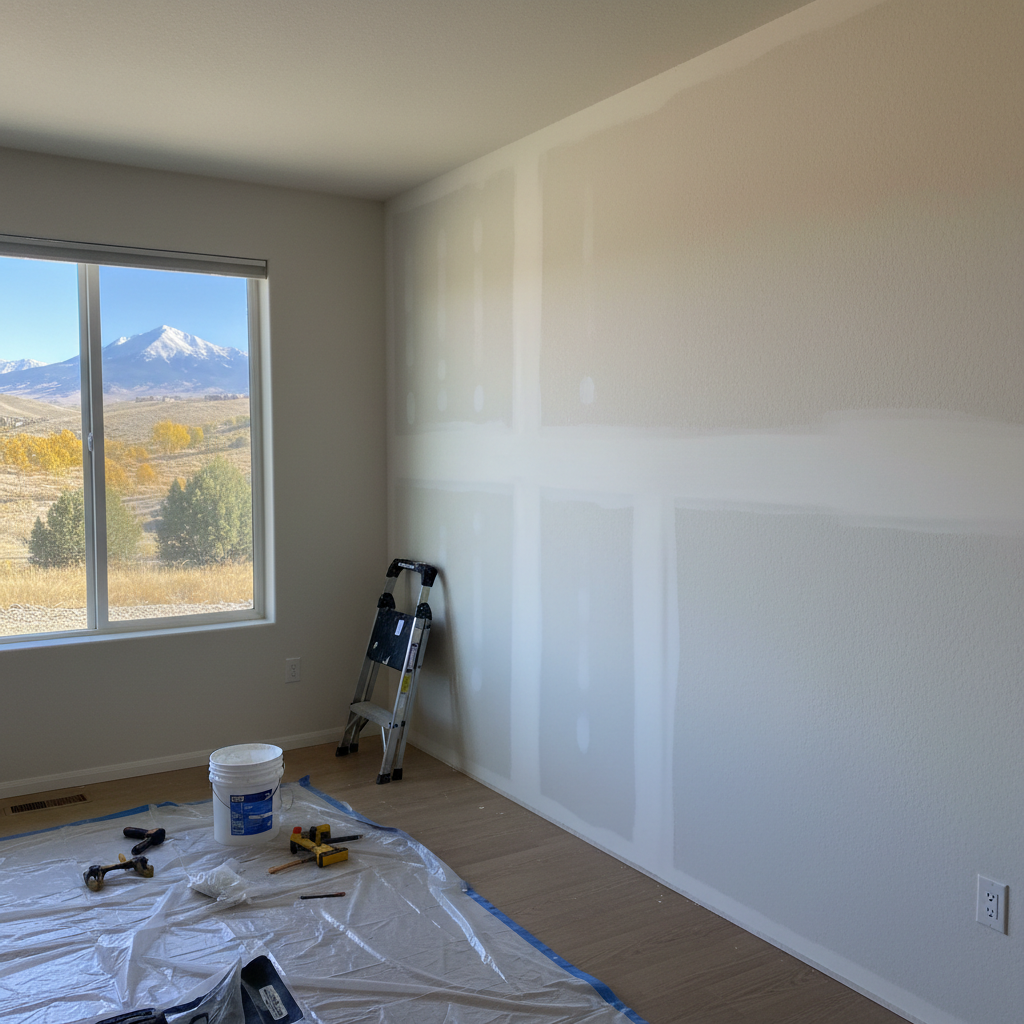
Got a ding, a crack, or maybe a bigger hole in your drywall? It happens to everyone, really. But when's the best time to get it fixed here in Lehi? It's not just about when you've got a free afternoon; our local weather plays a huge role in how well a repair actually holds up and how fast it dries. I've been doing this for a long time, and I've definitely seen what works and what absolutely doesn't with our specific climate.
Why Lehi's Weather Really Matters for Drywall
Our seasons here in Utah are pretty wild, aren't they? We get these scorching hot, bone-dry summers and then cold, snowy winters. This constant swing in temperature and humidity can seriously mess with building materials, especially drywall. Think about it: drywall is basically gypsum plaster pressed between paper. It's supposed to be stable, sure, but it's not immune to expanding and contracting. When the air gets super dry, it can shrink a bit; when it's humid, it soaks up moisture and expands. This movement is often what causes those little hairline cracks you see around windows or doorframes, or even those annoying nail pops.
You also have to think about the soil. Many homes in Lehi, particularly in newer spots like those out by Thanksgiving Point, are built on expansive clay soils. These soils swell up when they get wet and then shrink when they dry out, which can lead to foundation movement. Even minor foundation shifts can directly translate into stress on your home's framing and, you guessed it, cracks in your drywall. It's kind of a whole chain reaction, actually.
The Best Times for Drywall Repair
From my experience, the sweet spot for most drywall repairs is usually spring and fall. Why those times?
- Spring (April-May): The air isn't too dry, and it's not too humid yet. Temperatures are moderate, which means your joint compound and paint will dry at a nice, even rate. You're not fighting extreme heat or trying to heat your house like crazy.
- Fall (September-October): Just like spring, the weather is generally mild. The humidity starts to drop after summer, but it's not bone-dry like mid-winter. It's a great window to get those interior projects wrapped up before the holidays roll around.
These moderate conditions really help the materials cure properly, cutting down on the chances of future cracking or other issues. It's all about stability, plain and simple.
What About Summer and Winter?
Can you do drywall repairs in the summer and winter? Absolutely, you can. But you need to be aware of the challenges and take some smart precautions.
Summer Drywall Work
Lehi summers are hot and dry. I mean, *really* dry. This can make joint compound dry too fast, which might lead to cracking or just make it harder to get that smooth finish you want. If you're doing repairs in the summer, you'll definitely want to keep your home's humidity stable. Run your AC to keep temperatures down, and if it's super dry, you might even think about a humidifier in the work area – though that's less common for just drywall. The main thing is to avoid rapid drying. Don't point a fan right at freshly applied mud; let it cure naturally.
Winter Drywall Work
Our winters bring cold temperatures and often very low indoor humidity, especially when your furnace is blasting away. This low humidity can also cause compound to dry too quickly and potentially crack. On the flip side, if you're dealing with melting snow or a sudden warm spell, you can get a spike in indoor humidity. The key in winter is consistent indoor temperature and humidity. Keep your thermostat steady. If you're tackling a big job, sometimes I'll suggest a small humidifier in the room to stop the compound from drying out too fast and shrinking.
Protecting Your Drywall Investment Year-Round
Beyond timing your repairs, there are simple things you can do to keep your drywall looking good:
- Keep indoor humidity consistent: This is huge. Try to aim for around 30-50% relative humidity. A hygrometer is a cheap tool that can tell you where you stand. In winter, a whole-house humidifier can really make a difference. In summer, your AC helps keep things balanced.
- Deal with leaks immediately: Water is drywall's worst enemy. A small leak can quickly become a big, moldy mess. If you spot a water stain, don't wait. Find the source and fix it.
- Ensure proper ventilation: Especially in bathrooms and kitchens. Good ventilation helps pull moisture out before your walls and ceilings can soak it up.
- Use quality materials: When you're patching or repairing, don't skimp on the mud and tape. Good quality materials really do make a difference in how long the repair lasts. That's why at Allied Drywall Inc, we're always using the best stuff we can get our hands on.
Ultimately, a well-done drywall repair, timed correctly and maintained properly, should last you for years. Don't hesitate to reach out if you've got questions or need a hand with those repairs. We're always here to help fellow Lehi homeowners.