Thinking About New Sheetrock? Here's What You Need to Know
So, you're looking at a new room, maybe a renovation, or just fixing up some water damage in your Lehi home, and sheetrock is on your mind. It's a huge part of any interior project, and doing it right really makes all the difference. I've been in this business for years, seen all sorts of jobs around Lehi—from the older homes down by Main Street to the newer builds up in Traverse Mountain—and I can tell you there's a lot you can tackle yourself. But also, there are some key spots where bringing in a pro really pays off.
First off, let's clear up what sheetrock actually is. Most folks call it drywall, plasterboard, or gypsum board. It's basically a panel made of gypsum plaster, pressed between two thick sheets of paper. We use it to make interior walls and ceilings. It's pretty tough, fire-resistant, and relatively easy to work with once you get the hang of it.
Before You Even Think About Hanging a Board
Preparation is absolutely everything. I mean it. You can't just slap sheetrock onto crooked studs and expect a good finish. Here's what you need to get sorted first:
- Framing Inspection: Walk through your space and check your studs and joists. Are they plumb (straight up and down) and level? Are they spaced correctly—usually 16 or 24 inches on center? If your framing is off, your sheetrock will be off, and you'll fight it every single step of the way. You might need to add shims or even sister up some studs to get a flat surface. Don't skip this part, seriously.
- Electrical and Plumbing: Make sure all your electrical boxes are mounted flush with where the sheetrock will sit. All your plumbing rough-ins should be done and tested. You really don't want to cut a hole for an outlet only to find the box is too deep or too shallow.
- Insulation: If you're insulating, get it in before the sheetrock goes up. Trying to stuff it in later is just a huge pain.
- Material Selection: Standard 1/2-inch sheetrock works for most walls. For ceilings, I often suggest 5/8-inch, especially if your joists are 24 inches on center; it just resists sagging better. You might need moisture-resistant (green board) for bathrooms or fire-rated (Type X) for specific code requirements, like between a garage and living space.
- Tools: You'll need a utility knife, a T-square, a drywall saw, a screw gun (a dedicated drywall screw gun is best, but a good drill/driver works), a tape measure, and plenty of drywall screws. For mudding, you'll need taping knives (6-inch, 10-inch, 12-inch), a mud pan, sanding sponges or a pole sander, and plenty of joint compound (mud) and tape.
Hanging the Sheetrock: DIY vs. Pro
This is where the rubber meets the road, as they say. Hanging the actual sheets? A lot of homeowners can handle this themselves, especially on walls. It's heavy, awkward work, but it's not rocket science. You want to start at the top of the wall and work your way down, staggering your seams like brickwork. Make sure your screws just dimple the paper, not break through it.
Ceilings are a whole different beast. They're heavy, and gravity definitely isn't your friend. If you're tackling a whole ceiling by yourself, you'll want to rent a drywall lift. Trust me, your back will thank you. Even with a lift, it's really a two-person job to get those big sheets up there safely and accurately.
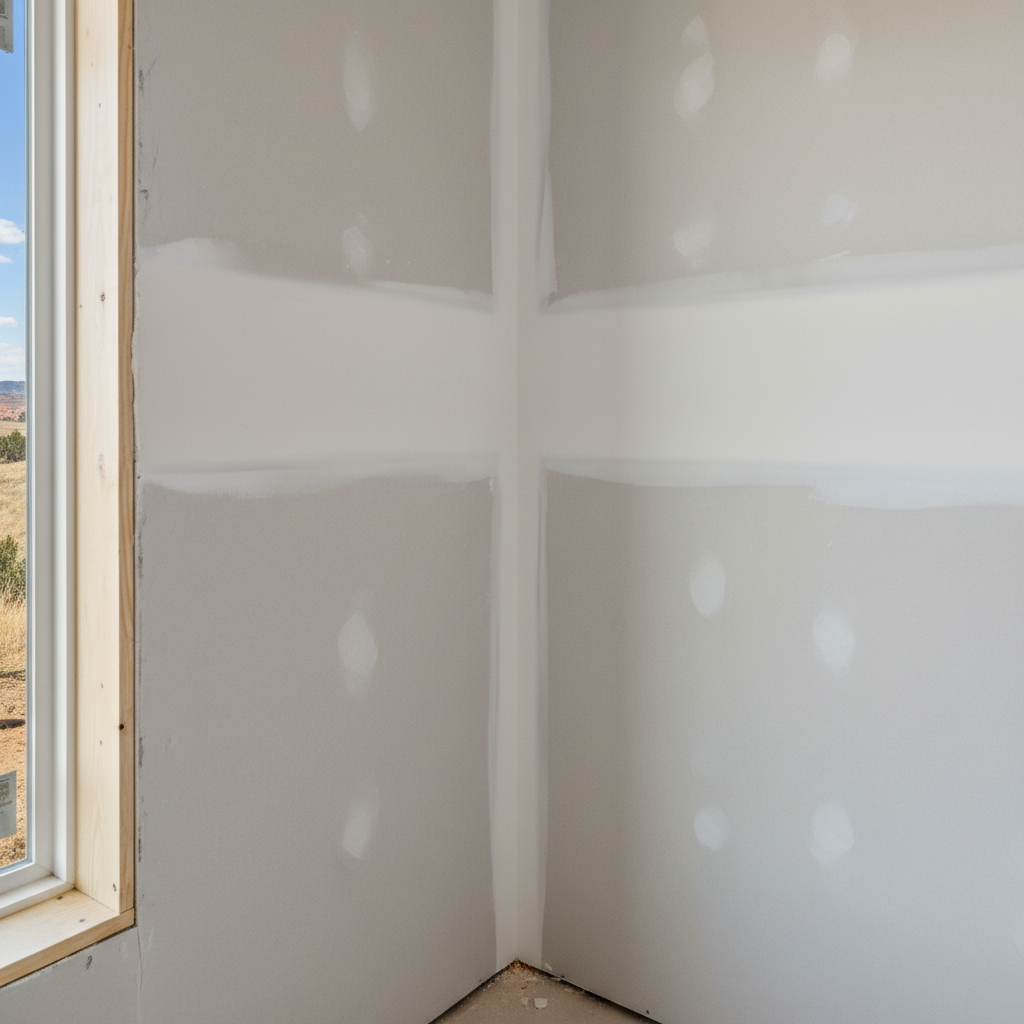
Now, here's the big one: taping and mudding. This is where most DIYers either give up or end up with walls that look like a topographical map of the Wasatch Front. Getting perfectly smooth, seamless walls takes practice, patience, and a good eye. I've seen plenty of folks try to mud their own walls, and while they might get it ---