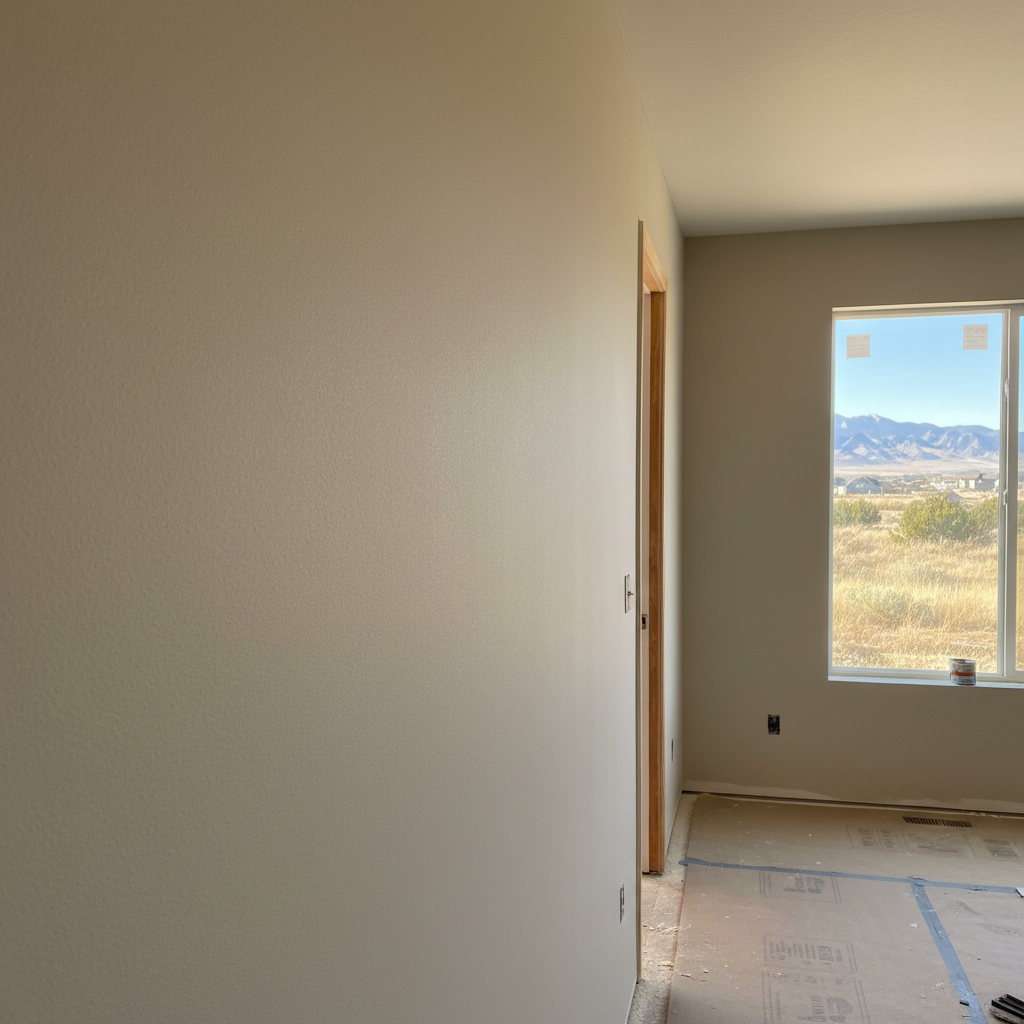
What's the difference between drywall and Sheetrock?
Honestly, this is probably the question I get asked most often, and it's pretty straightforward. "Drywall" is the general term for the construction material itself. "Sheetrock," on the other hand, is actually a brand name for drywall, made by USG. Think of it like how folks often say "Kleenex" instead of "facial tissue," or "Band-Aid" instead of "adhesive bandage." So, when you're talking about Sheetrock, you're definitely talking about drywall. I use the terms interchangeably myself, and most pros do too. Don't sweat the distinction too much, okay?
How long does Sheetrock installation usually take for a typical home?
That's a tough one to give a single, simple answer for, mostly because it depends on a bunch of factors. We're talking about the size of the house, how many rooms it has, ceiling height, whether it's brand new construction or a remodel, and how intricate the design is. For a new, average-sized home here in Lehi—let's say somewhere between 2,000 and 3,000 square feet—from the initial hanging of the boards right up to the final texture-ready finish, you're usually looking at about 7 to 14 days. That's assuming a crew that really knows their stuff, by the way. Remodels can often take a bit longer because you've got demolition, framing adjustments, and sometimes some really tricky spots to match up with existing walls. We always give a much more precise timeline once we've actually had a chance to see the job site.
Do I need a special type of drywall for bathrooms or basements?
Absolutely, you do. For any areas that get a lot of moisture, like bathrooms, laundry rooms, or basements—especially if you're in an older Lehi home near the lake, where moisture can be a real headache—you'll definitely want to use moisture-resistant drywall. People often call it "green board" because of its color, or sometimes "purple board" depending on who manufactured it. It has special additives that help keep mold and mildew from growing. Even better, especially for shower surrounds, is cement board or fiberglass mat gypsum board. These are way more resistant to water and are pretty much non-negotiable for places that get direct water exposure. Seriously, don't skimp here; it'll save you a ton of trouble down the road.
What's the best way to prepare my home for Sheetrock installation?
Preparation is absolutely crucial for a smooth job. First things first, make sure all the framing is done and has passed inspection. Also, all electrical, plumbing, and HVAC rough-ins need to be completed and inspected too. You really don't want us cutting holes in brand new Sheetrock because a plumber forgot a line, right? Clear out the work area as much as humanly possible. If it's a remodel, protect your floors and any furniture that you can't move out of the way. We'll lay down drop cloths, sure, but fewer obstacles mean we can work faster and keep things cleaner. Make sure there's good lighting and easy access to power. Honestly, a clean, organized site just makes everyone's job easier.
Can I hang the Sheetrock myself to save money, and then hire you for the finishing?
You certainly can, but I'll be completely upfront with you: it's rarely a good idea if you don't have experience. Hanging drywall looks deceptively simple, but getting those seams tight, setting the screws just right, and aligning the boards perfectly is incredibly important for a good finish. If the hanging isn't done well, it makes our job of taping and mudding much, much harder. Sometimes, it's even impossible to get a truly smooth, flat wall without us having to tear out and redo sections. We've seen plenty of DIY hanging jobs that actually ended up costing the homeowner more in the long run because we had to fix mistakes before we could even start our part. If you're really determined to save some money, talk to us at Allied Drywall Inc. We can definitely discuss your options, but usually, having the pros handle the whole thing saves you time, stress, and, more often than not, money in the end.
What kind of texture options are there, and how do I choose?
There are quite a few texture options out there, and what's popular can definitely change. Here in Lehi, I see a lot of homes going for a light orange peel or a knockdown texture. Smooth wall is also super popular, especially in newer, more modern homes, but it's the most labor-intensive and unforgiving—meaning any tiny imperfections in the hanging or mudding will really stand out. Popcorn ceilings are pretty much a thing of the past, thankfully. When you're choosing, think about your home's overall style, how much light a room gets, and how much maintenance you're willing to do. Textured walls can hide minor imperfections better than smooth walls, but smooth walls definitely give a cleaner, more contemporary look. We can show you samples and help you figure out what would work best for your space.
What's the typical cost for Sheetrock installation in Lehi?
Cost is another one of those things that varies wildly. We usually price it per square foot of wall and ceiling surface area. Factors include the type of drywall you need (standard, moisture-resistant, fire-rated), the height of the ceilings, how many corners and arches there are, and the desired finish level (for example, a smooth wall costs more than a simple texture). Right now, material costs fluctuate, and labor rates also depend on how complex the job is. For a basic installation and finish, you might be looking at anywhere from $1.50 to $3.00 per square foot, but that's a very rough estimate. The best way to get an accurate price is to have us come out and give you a free, no-obligation quote. We'll measure everything, talk through your specific needs, and give you a solid number. That way, you'll know exactly what to expect from Allied Drywall Inc.